

Scan the QR Code on Your Phone To Download the App


Scan the QR Code on Your Phone To Download the App
Scan the QR Code on Your Phone To Download the App

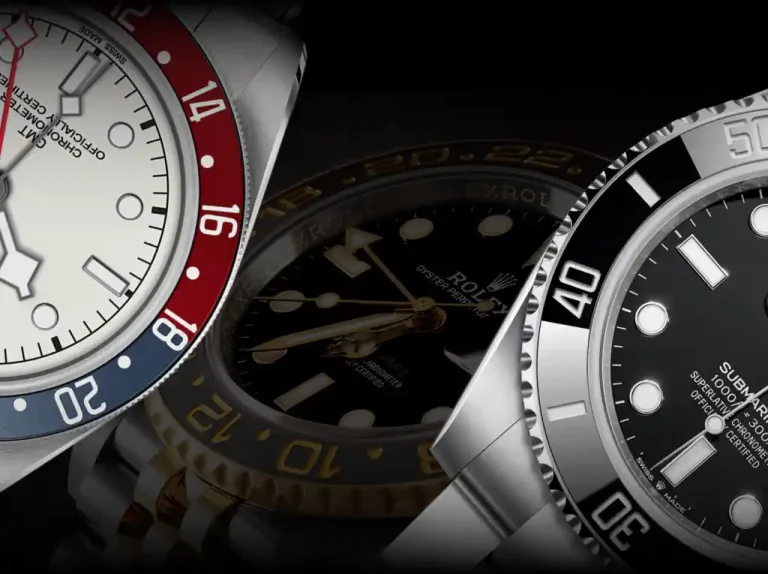
A Rolex bezel can look flawless for decades or develop a character all its own. Modern ceramic bezels offer excellent scratch resistance and color retention, while older aluminum inserts gradually show signs of wear and fading. But does that make ceramic the better choice?
Rolex’s transition from aluminum to Cerachrom ceramic bezels in the mid-to-late 2000s changed more than durability. It introduced a glossier, more contemporary look to its sports watches, while aluminum retained the vintage charm that many collectors appreciate. Both materials have their strengths, making the choice less straightforward than it seems.
Whether you’re buying your first Rolex or exploring neo-vintage models, bezel material can influence your ownership experience. This guide compares ceramic vs aluminum bezels, highlights notable Rolex references, and explains what buyers should consider before choosing.
Aluminum bezels are common on vintage and neo-vintage Rolex sports watches, offering a classic appearance and the potential to develop patina. Modern Rolex Cerachrom ceramic bezels offer greater scratch resistance and color stability. The main trade-off is between vintage character and modern durability, with neither material being universally better.
| Feature | Aluminum Bezel | Ceramic Bezel |
|---|---|---|
| Common Rolex era | Vintage and neo-vintage | Modern |
| Scratch resistance | Scratches more easily | Highly scratch-resistant |
| Impact resistance | May dent or deform | Can chip or crack |
| Color retention | May fade over time | Highly resistant to fading |
| Appearance | Typically matte or satin | Typically glossy |
| Aging | Develops wear and patina | Generally retains its finish |
| Collector appeal | Originality and vintage character | Modern styling and condition |
These differences are general tendencies. For example, a rare, original aluminum bezel insert may cost more to replace than a modern ceramic one, particularly when collector demand and availability influence its value.

Before ceramic became standard on modern Rolex sports watches, aluminum bezel inserts were a defining feature of the Submariner and GMT-Master collections. They provided functional, colored scales for tracking dive times and additional time zones.
Notable examples include the Submariner Date ref. 16610 and GMT-Master II ref. 16710, both recognized for their classic five-digit Rolex proportions. These neo-vintage tool watches remain popular among collectors because they combine modern features, such as sapphire crystals, with traditional design elements and the potential for naturally aged bezels.
Rolex introduced its proprietary Cerachrom ceramic bezel technology in 2005, initially for specific Professional models. Cerachrom inserts are made from an extremely hard ceramic. On the Submariner, the numerals and graduations are moulded into the ceramic and coated with gold or platinum through a PVD process.
Key milestones include:
This transition marked more than a material upgrade. It reflected a broader generational shift toward contemporary styling, improved scratch resistance and greater color stability, while aluminum retained its appeal among neo-vintage Rolex enthusiasts.
The differences between ceramic and aluminum Rolex bezels extend beyond appearance. Each material offers distinct advantages in durability, aging and maintenance, which can influence both everyday wear and long-term collectibility.
Rolex Cerachrom is significantly harder and more scratch-resistant than anodized aluminum. For instance, a ceramic Submariner Date ref. 116610LN can retain a relatively pristine bezel after years of regular wear, while its aluminum-bezel predecessor, the ref. 16610, is more likely to accumulate visible scratches.
However, hardness does not necessarily mean greater impact resistance. Ceramic can chip or crack under a strong impact, such as a fall onto a tiled floor. Aluminum is softer and more prone to scratches and dents, and may deform under impact.
The distinction matters for daily wear. Ceramic offers better protection against surface scratches, while aluminum is more likely to scratch or deform rather than chip or crack. Neither material is immune to impact damage.
Aluminum bezel inserts can gradually fade due to prolonged UV exposure and environmental conditions. Black inserts may develop gray tones, while the colored bezels of older GMT-Master models can fade unevenly.
Heavily faded aluminum bezel inserts are sometimes described by collectors as ‘ghost bezels’. Ceramic bezels offer greater resistance to UV-related fading and generally retain their original color over time.
For collectors, however, fading can be part of aluminum’s appeal. Naturally developed patina gives certain neo-vintage Rolex watches a distinctive character. Still, faded inserts are not automatically more valuable. Originality, condition and demand ultimately determine their desirability.
Aluminum bezels typically have a flatter, more subdued finish, as seen on the Submariner 16610 and GMT-Master II 16710. Their understated appearance complements the slimmer-looking proportions of these five-digit Rolex sports watches.
Ceramic offers a deeper, glossier finish, particularly noticeable on modern references such as the Submariner 116610LN and GMT-Master II 116710LN.
These differences contribute to each generation’s visual identity, although case proportions, bracelet construction and dial design also influence how the watch looks and wears.
Both materials are relatively easy to maintain, requiring little more than gentle cleaning. However, their repair and replacement considerations differ:
The exception is rare or discontinued aluminum inserts, which can command significant premiums. For neo-vintage Rolex collectors, preserving an original bezel may be preferable to replacing it with a cosmetically flawless service part.
Rolex’s transition from aluminum to Cerachrom is particularly evident in its Submariner and GMT-Master II collections. Comparing these references reveals how bezel materials evolved alongside the brand’s design, while explaining why both generations remain desirable.
| Rolex Reference | Bezel Material | Notable Feature |
|---|---|---|
| Submariner Date 16610 | Black aluminum | Classic 40mm Submariner with traditional proportions |
| Submariner Date 16610LV Kermit | Green aluminum | 50th-anniversary Submariner with a black dial |
| GMT-Master II 16710 | Aluminum | Pepsi, Coke and all-black bezel variations |
| GMT-Master II 16713 | Aluminum | Two-tone model, including Root Beer variants |
| Submariner Date 116610LN | Black Cerachrom | Black Cerachrom successor to the 16610 |
| Submariner Date 116610LV Hulk | Green Cerachrom | Green ceramic bezel paired with a green dial |
| GMT-Master II 116710LN | Black Cerachrom | Modern stainless steel GMT-Master II with a black ceramic bezel |
| GMT-Master II 116710BLNR Batman | Blue-and-black Cerachrom | Rolex’s first two-color ceramic bezel |

The Submariner Date ref. 16610 features a black aluminum bezel and classic 40mm case with relatively slim lugs. Its sibling, the 16610LV Kermit, introduced a green aluminum insert in 2003 to commemorate the Submariner’s 50th anniversary. Both retain the understated proportions associated with five-digit Rolex sports watches.
Produced from approximately 1989 to 2007, the GMT-Master II ref. 16710 offered red-and-blue Pepsi, red-and-black Coke and all-black aluminum inserts. The two-tone ref. 16713 introduced a more luxurious aesthetic, particularly in its brown-and-gold Root Beer configuration.
For collectors, these distinctive bezel variations remain an important part of their appeal, especially when the inserts are original and period-correct.
Introduced in 2010, the Submariner Date ref. 116610LN succeeded the 16610, introducing a black Cerachrom bezel and a redesigned case with broader lugs. The green-bezel Kermit also gave way to the 116610LV Hulk, which paired a green ceramic bezel with a matching green dial.
The GMT-Master II 116710LN brought a black Cerachrom bezel to the stainless steel collection in 2007, succeeding the aluminum-bezel 16710. In 2013, the 116710BLNR Batman introduced Rolex’s first two-color Cerachrom insert in blue and black, demonstrating a significant advancement in ceramic manufacturing.
Together, these references illustrate the shift from the classic, understated character of neo-vintage Rolex watches to the bolder aesthetics and improved scratch resistance of their ceramic successors.
Bezel material can influence a Rolex’s collector appeal, particularly when comparing neo-vintage and modern references. While ceramic offers greater resistance to everyday wear, aluminum’s aging characteristics and historical significance can make it equally desirable.
For neo-vintage Rolex collectors, an original aluminum bezel insert helps preserve a watch’s period-correct appearance. Naturally faded inserts can be particularly desirable when their patina reflects the watch’s age and history.
However, not all fading adds value. Artificially aged inserts, excessive deterioration and poorly maintained components should not be confused with attractive, naturally developed patina.
Preferences also vary. Some collectors appreciate the faded Pepsi bezels of older GMT-Master II references, while others favor crisp, unfaded inserts that retain their original colors.
Neither material guarantees stronger resale value. A Rolex’s collectibility depends on several factors:
Ultimately, ceramic appeals to buyers seeking lasting visual consistency, while original aluminum inserts can enhance a neo-vintage Rolex’s historical character and collector desirability.
When buying a pre-owned neo-vintage Rolex, the bezel deserves closer inspection than its appearance alone might suggest. An original aluminum insert can contribute to a watch’s collector appeal, while an incorrect replacement or undisclosed modification may affect its value.
A genuine Rolex does not necessarily have its original bezel insert. Before purchasing, check:
For references such as the GMT-Master II 16710, period-correct details can be particularly important to collectors.
Look beyond the bezel’s color and assess its physical condition:
Remember to examine the bezel alongside the case, dial, hands and bracelet to assess the watch’s overall condition.
Genuine aluminum inserts for discontinued Rolex references can be difficult to source, particularly for rare or desirable variations. During servicing, damaged components may also be recommended for replacement, potentially affecting the watch’s originality and collector appeal.
Before authorizing repairs, discuss which parts should be preserved and whether the original components can be retained.
Buy from a reputable seller who clearly discloses the watch’s condition, service history and known replacement parts. This makes it easier to assess what you’re paying for and avoid costly surprises.
Neither ceramic nor aluminum is universally better. The right bezel material depends on how you plan to wear your Rolex, your maintenance expectations and whether you value modern durability or neo-vintage collectibility.
Ultimately, aluminum-bezel Rolex watches can still be excellent daily companions, while ceramic offers no guarantee against impact damage. Choose based on your wearing habits and collecting priorities, not material alone.
Ceramic offers greater scratch resistance and color retention, while aluminum has a vintage appeal that many collectors appreciate. The better choice depends on your wearing habits and collecting preferences.
Not all Rolex Submariner models have ceramic bezels. For example, the Submariner Date ref. 16610 features an aluminum bezel insert, while the ref. 116610LN introduced a black Cerachrom ceramic bezel in 2010. The material depends on the model reference.
Yes. Ceramic is highly scratch-resistant but can chip or crack under a hard impact. Aluminum is more prone to scratches and dents but may deform rather than fracture.
Yes. Prolonged sunlight exposure and environmental conditions can cause aluminum inserts to fade. Some collectors appreciate the resulting patina, but fading alone does not guarantee higher value.
The choice between ceramic and aluminum Rolex bezels comes down to what you value most in a watch. While Cerachrom offers modern durability and lasting color, aluminum preserves the character and heritage that make neo-vintage Rolex models so appealing. Ultimately, understanding these differences helps you choose a Rolex that suits your lifestyle, preferences and collecting goals.
Key Takeaways:
Choosing between ceramic and aluminum is just one factor to consider when buying a Rolex. The model, condition, originality and overall design can also influence which watch is right for you. Explore Watchbook’s authenticated Rolex collection to compare different references and find one that suits your preferences.


