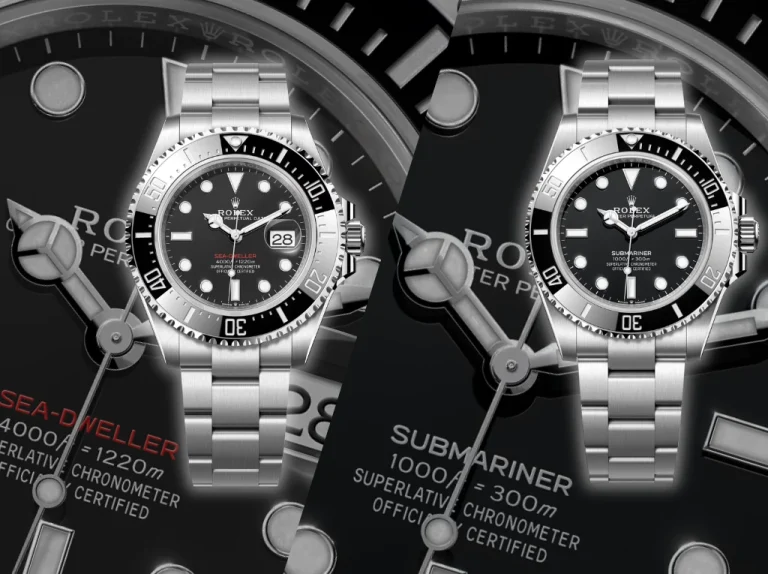
Scan the QR Code on Your Phone To Download the App



Scan the QR Code on Your Phone To Download the App
Scan the QR Code on Your Phone To Download the App

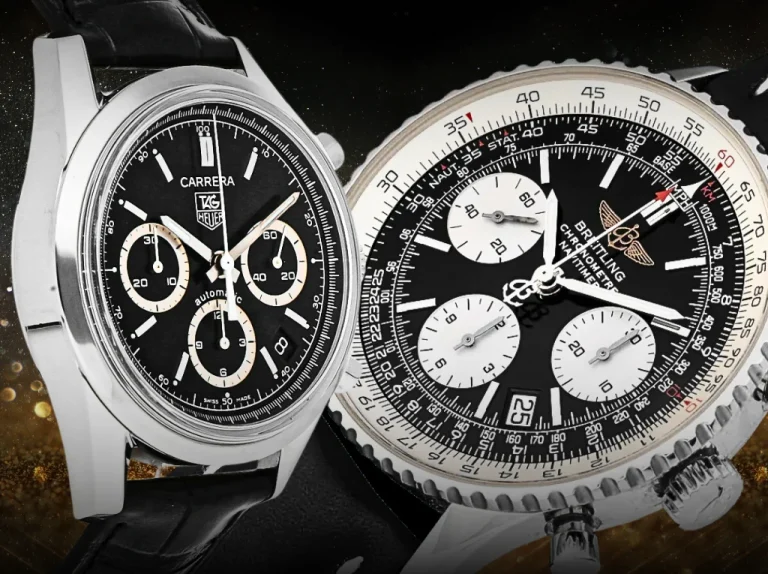
A chronograph is essentially a watch equipped with a stopwatch function, allowing you to measure elapsed time in addition to telling the time of day. On the other hand, a chronometer is a watch that promises exceptional accuracy, having fulfilled strict precision standards set by an official body.
For a racing driver, a chronograph is indispensable for timing laps. Meanwhile, anyone in need of precise timekeeping will find the reliability of a chronometer beneficial. Yet remember that while all chronographs and chronometers bring something unique to the table, they are not mutually exclusive.
Still, it’s essential to determine what makes each one distinct from the other. Doing so enables you to find what fits your needs and interests, making decision-making much easier. This article highlights these differences in history, functionality, and more, so keep reading.
Have you ever wondered why some watches are referred to as chronographs while others boast the title of chronometer? Despite the similarity in their names, these two terms are not interchangeable and represent different aspects of timekeeping. Take a look at the table below to see their dissimilarities:
|
Aspects |
Chronograph |
Chronometer |
|---|---|---|
|
Definition and Functionality |
|
|
|
Historical Development |
|
|
|
Key Features |
|
|
|
Popular Models |
|
|
Chronographs are more known for their stopwatch functionality, often featuring separate hands or subdials. In certain models, they may also include other features like telemeter scales and tachymeters.
Meanwhile, chronometers stand out for their high-precision timepieces, certified for accuracy by organizations like COSC. They’re practically made to be highly superior in materials to maintain their precision despite environmental factors.
A chronograph watch has a built-in stopwatch functionality, enabling users to measure elapsed time intervals precisely. You can identify it by its extra subdials on the watch face and pusher buttons on the case.
Generally, it’s used in various activities, including sports and aviation, according to Brittanica, where precise timing is crucial. While similar, a chronograph is not the same as a stopwatch; the former displays time and measures intervals, while the latter is solely for timing without displaying time.
Chronograph watches have evolved from simpler cam-actuated systems to more sophisticated column-wheel mechanisms, which are favored for their precise and smooth handling during start, stop, and reset functions.
Generally, their historical development began in the 18th century with the invention of marine chronometers. This was then followed by Louis Moinet’s patented first chronograph in 1816, initially designed for tracking astronomical observations.
Throughout the 19th and 20th centuries, the chronograph underwent significant evolution thanks to advancements in watchmaking technology. Notable milestones include Edouard Heuer’s invention of the column-wheel mechanism in the late 19th century, which improved the accuracy and reliability of chronograph movements.
In the early 20th century, brands like Omega, Rolex, and Breitling contributed to the chronograph’s evolution. They have introduced innovative features such as the tachymeter scale and the flyback chronograph function, making them indispensable tools in fields such as aviation and sports.
A chronograph refers to a watch with prominent subdials on the watch face. These are dedicated to displaying elapsed time intervals measured by the chronograph function. These sub-dials typically include counters for seconds, minutes, and hours, providing precise timing measurements.
Additionally, chronographs feature pusher buttons integrated into the watch case, allowing users to control the start, stop, and reset functions of the stopwatch independently from the main timekeeping mechanism. The pushers enable seamless operation of the chronograph, enhancing its usability in various timing applications.
Other notable features may include a tachymeter scale on the bezel or dial for measuring speed, as well as a telemeter scale for calculating distance based on the speed of sound.
In practical scenarios, a chronograph is ideal for a sports coach needing precise timing for tracking laps or intervals
When it comes to popular models, some chronographs have left their mark on history. Below are examples of notable chronograph watches:
1. Rolex Daytona 116500LN

2. Omega Speedmaster Professional Moonwatch 311.30.42.30.01.005

3. TAG Heuer Carrera CV2113.FC6180

4. Breitling Navitimer A23322

5. Zenith El Primero 03.2040.400/21.C496

According to the official website of Tag Heuer, a chronometer is a high-precision timepiece known for its exceptional accuracy and reliability in timekeeping. What qualifies a watch to be called a chronometer is its ability to maintain precise timekeeping within specified tolerances under various conditions, typically ranging from -4 to +6 seconds per day.
This level of accuracy is achieved through meticulous design, superior craftsmanship, and the use of premium materials and components in the watch movement. Chronometers are further highly regarded for their precision and are often sought after for their reliability in keeping accurate time.
A chronometer is a high-precision timepiece certified to meet specific accuracy standards. To qualify as a chronometer, a watch must undergo rigorous testing by an official chronometer-certifying organization, such as the Contrôle Officiel Suisse des Chronomètres (COSC) in Switzerland.
The COSC certification for chronometers involves precise tests conducted over 15 days in various positions and temperatures, ensuring that a watch maintains exceptional accuracy between -4 and +6 seconds per day, thereby validating its reliability and precision for professional use.
The watch movement must also demonstrate exceptional accuracy in other various conditions, typically achieving precise timekeeping within specified tolerances.
Chronometers are revered for their precision due to their exceptional ability to maintain accurate timekeeping under various conditions. This makes them reliable timepieces for professional and scientific applications.
Practically, their superior accuracy ensures precise measurement of time intervals, which is crucial in fields such as navigation, aviation, and astronomy, where precision is paramount. This reliability stems from meticulous engineering, stringent quality control, and the use of advanced materials.
Some notable examples of chronometers aren’t just about telling time; they tell stories of heritage, durability, and a relentless pursuit of perfection. Here are a few examples of collections representing the excellence of chronometers:
1. Rolex Oyster Perpetual Day-Date

2. Omega Constellation Globemaster

3. Zenith Defy Classic Chronometer

4. Audemars Piguet Chronometer With AP Escapement

5. Jaeger-LeCoultre Master Control

When choosing between a chronograph and a chronometer, buyers should consider their specific needs and preferences.
If precise timekeeping is paramount, a chronometer-certified watch may be the ideal choice, as it undergoes rigorous testing to ensure accuracy. On the other hand, if functionality and versatility are priorities, a chronograph with stopwatch features may better suit your lifestyle.
Consider factors such as design, complications, and intended use when making your decision. Additionally, research reputable brands are known for producing high-quality timepieces to ensure reliability and longevity.
To maintain the performance and appearance of your chronograph or chronometer watch, follow these basic tips:
A chronometer and a chronograph watch are distinct in features and purposes. A chronometer is certified to meet specific accuracy standards, ideal for applications where precise timekeeping is essential. On the other hand, a chronograph is equipped with stopwatch functionality, allowing users to measure elapsed time intervals with precision. The decision between the two largely depends on your needs.
Key Takeaways
Ready to buy, consign, or sell luxury watches? Explore Watch Book, your go-to platform for iconic brands like Rolex, Patek Philippe, and more. Find your next timepiece or list your watch for free today!