

Scan the QR Code on Your Phone To Download the App


Scan the QR Code on Your Phone To Download the App
Scan the QR Code on Your Phone To Download the App

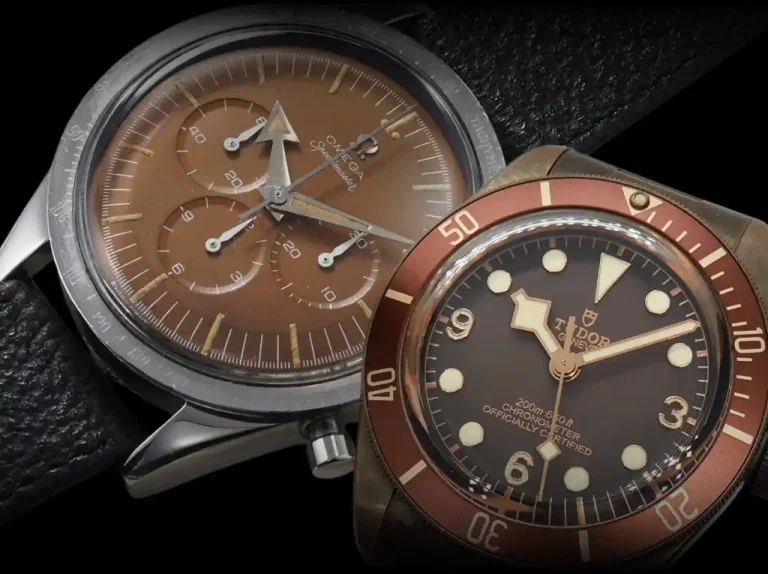
Unlike stainless steel or gold, a bronze watch can change noticeably in appearance over time. What begins as a warm, golden-hued case can gradually turn dark brown, almost black, or even greenish. This evolving appearance is one of the reasons bronze has become such an intriguing material in modern watchmaking.
This transformation, known as bronze watch patina, gives each timepiece a character that is unique to the wearer. Exposure to moisture, air, and everyday use gradually changes the metal’s surface. Some collectors embrace the weathered look, while others prefer to preserve the original shine of their bronze watches.
So, what makes bronze change color, and can you control the results? Whether you’re a long-time collector or considering your first bronze watch, this guide explores how patina develops, what affects its appearance, and how to maintain or remove it.
Bronze watch patina is more than a cosmetic change. It is a thin layer of surface compounds that develops as the metal reacts with its environment. Unlike paint or an applied finish, patina forms naturally on the bronze case itself, becoming part of the watch’s evolving character.

Bronze is primarily an alloy of copper and tin, although modern watchmaking also uses aluminum bronze. Copper plays a central role in patina development, while the other alloying elements influence the material’s hardness, corrosion resistance, and aging behavior.
A stable patina can help slow further corrosion, depending on the compounds formed and the surrounding conditions. This is one reason bronze has historically been valued for marine applications and tool watches.
However, there is a difference between normal surface aging and active corrosion. Persistent powdery deposits, pitting, or deterioration may indicate a problem that requires attention.
Bronze changes color because its copper content reacts with oxygen, moisture, and other substances in the environment. This process, known as oxidation, gradually transforms the metal’s surface, creating the distinctive bronze watch patina that collectors appreciate.
As copper reacts with its environment, it can form compounds such as copper oxides, which contribute to the darker appearance of aged bronze. Other copper compounds can produce green or blue-green tones, depending on the surrounding conditions.
Over time, these reactions make the once-bright bronze case appear duller, darker, or more varied in color.
Environmental exposure plays a significant role in patina development:
Rust forms on iron and steel, while bronze develops copper-based corrosion products that contribute to patina. Unlike rust, bronze patina can form a stable surface layer, although active corrosion can still damage the case.
Bronze watch patina can range from subtle golden-brown tones to deep black or greenish hues. There is no fixed color progression, as the final appearance depends on the bronze alloy, environmental exposure, and chemical reactions occurring on the metal’s surface.
| Patina Color | Explanation |
|---|---|
| Golden-brown | Early tarnishing softens the original metallic shine, creating warmer, muted brown tones. |
| Dark brown | Continued oxidation produces deeper, aged-looking shades that give bronze watches their vintage appeal. |
| Black or nearly black | Dark copper compounds, including copper(II) oxide, can cause substantial surface darkening. |
| Green or blue-green | Copper compounds formed through exposure to moisture, salts, acids, or pollutants can produce greenish deposits. |
You may notice green or blue-green deposits forming on an older bronze case. Often called verdigris, these green or blue-green copper corrosion products form when the metal reacts with moisture and other environmental substances.
While green discoloration does not automatically mean your watch is damaged, persistent powdery deposits accompanied by pitting may indicate active corrosion that requires professional attention.
A bronze watch can begin showing visible patina within a few weeks, although a more established finish may take several months or even years. Bronze can change noticeably with wear, but there is no fixed aging timeline. The alloy, climate, and frequency of wear all influence how quickly the case develops its character.
Importantly, patina development is neither linear nor permanent in appearance. A watch may darken quickly at first, change more slowly later, or develop brighter patches through everyday friction and cleaning.
Two identical bronze watches can develop remarkably different finishes, even after years of ownership. Beyond the passage of time, your wearing habits, surroundings, and maintenance routine determine how quickly and evenly the patina develops.

Differences in sweat composition can influence how bronze patina develops. Parts of the case that come into frequent contact with the skin may also develop a different finish from areas with less contact.
Bronze watches worn in humid or coastal climates often develop patina faster than those kept in drier environments. Air pollution can also influence the resulting finish, sometimes creating uneven color variations.
Daily wear does not necessarily produce a darker or more uniform patina. Friction from clothing, a leather strap, or regular handling can gradually remove surface deposits. This often leaves raised edges brighter while recessed areas retain a deeper, aged appearance.
Wiping the case regularly with a soft cloth helps remove sweat and dirt. Keeping the watch in a dry environment can also slow further discoloration, while leaving moisture or residue on the case may lead to more noticeable changes over time.
Ultimately, patina is shaped by how a watch is worn and cared for, making its appearance difficult to predict, even between identical models.
Not all bronze watches age alike. The alloy used in the case influences how quickly patina develops, the colors it produces, and how well the metal resists corrosion. Two common categories in watchmaking are phosphor bronze and aluminum bronze.
| Feature | Phosphor Bronze | Aluminum Bronze |
|---|---|---|
| Composition | Copper and tin, with small amounts of phosphorus in certain grades | Copper and aluminum |
| Example alloy | CuSn8 or CuSn6 | CuAl8 |
| Patina development | Can develop a noticeable patina | May retain its original appearance longer |
| Appearance | Can develop a range of brown and darker tones | Often has a more yellow or golden appearance |
| Watch example | Oris Big Crown Bronze Pointer Date | Baltic Aquascaphe Bronze |
Alloy composition affects hardness, surface reactivity, and corrosion resistance. Aluminum bronze generally offers good corrosion resistance, while tin-based bronze can develop a more noticeable patina.
These are general tendencies rather than guaranteed results. If you prefer a bronze watch that retains its original appearance longer, consider the specific alloy as well as the brand or design.
Whether you prefer a naturally aged finish or the original golden hue, there are ways to manage the patina on your bronze watch. You can preserve its character, slow further discoloration, or restore a brighter appearance with proper care.
If you appreciate the weathered appearance, these simple maintenance habits can help preserve it:
Superficial bronze patina can often be removed to restore a brighter appearance. Some brands publish their own method. Pinion, for example, recommends a paste of baking soda and lemon juice, left on the case for 20 to 30 minutes, then rinsed off with warm water and polished dry. However, removing patina without affecting the case’s original finish requires care and expertise, so check your own brand’s guidance first.
For luxury bronze watches, professional cleaning or servicing by an authorized watchmaker is the safest option. This helps preserve the watch’s finish and integrity while avoiding unnecessary damage to the case or other components.
Bronze patina can develop faster with increased exposure to moisture, humidity, and everyday wear. However, artificially accelerating the aging process is generally not recommended for luxury watches, as it can produce uneven discoloration or compromise the case’s original finish.
If you prefer a more pronounced patina, allowing your bronze watch to age naturally is the better approach. Regular wear gives the metal time to develop its distinctive character without exposing the timepiece to unnecessary chemical treatments.
Not entirely. Regular cleaning and reduced moisture exposure can slow tarnishing, but developing a patina over time remains an inherent characteristic of most bronze watch cases.
For most collectors, bronze watch patina is a desirable characteristic rather than a flaw. However, knowing the difference between natural aging and harmful corrosion is essential to preserving your timepiece.
While cosmetic changes are generally expected, suspected corrosion damage warrants professional inspection.
Most bronze watch cases develop patina over time as the metal reacts with its environment. However, the rate and appearance vary depending on the alloy, humidity, perspiration, and wearing habits.
Superficial patina can often be removed to restore a brighter appearance. However, the cleaning method depends on the watch’s alloy and finish, so follow the manufacturer’s care instructions to avoid damaging the case.
Bronze watches can develop green or blue-green deposits through reactions with moisture and other substances. Persistent powdery deposits or pitting may indicate corrosion.
Bronze watch patina is part of what makes these timepieces distinctive, giving each case a character that evolves with its owner. Understanding how bronze ages and recognizing the difference between natural patina and potential damage can help you appreciate its changing appearance while preserving your watch’s condition and longevity.
Key Takeaways:
Whether you let the patina deepen or keep the case bright, knowing how bronze ages helps you buy and care for it with confidence. Browse Watchbook’s authenticated pre-owned luxury watches, each listed with its condition, to find your next piece.


