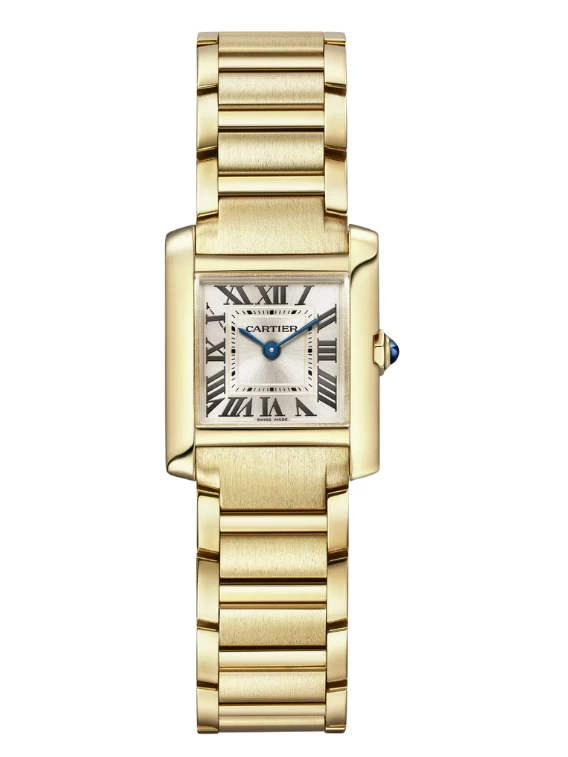
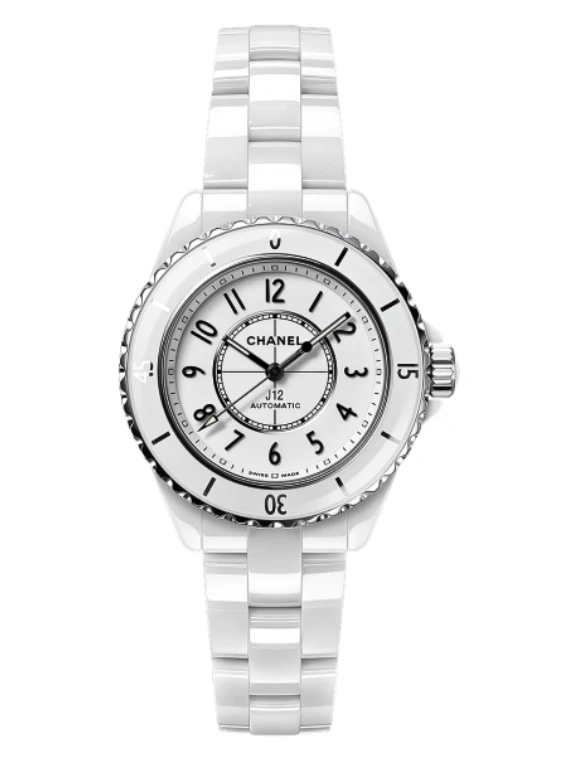
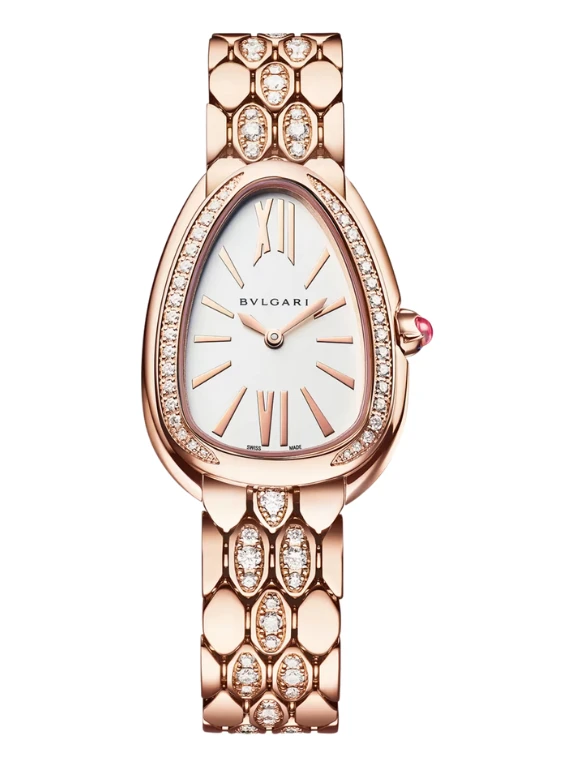
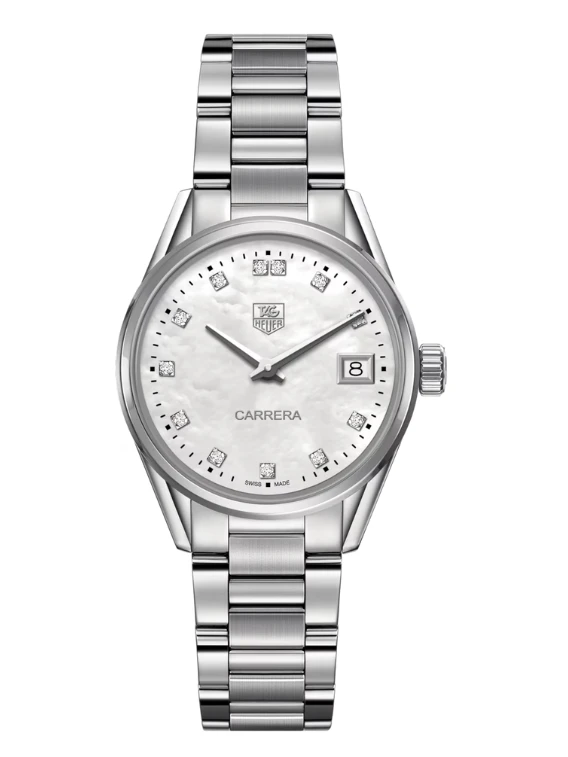
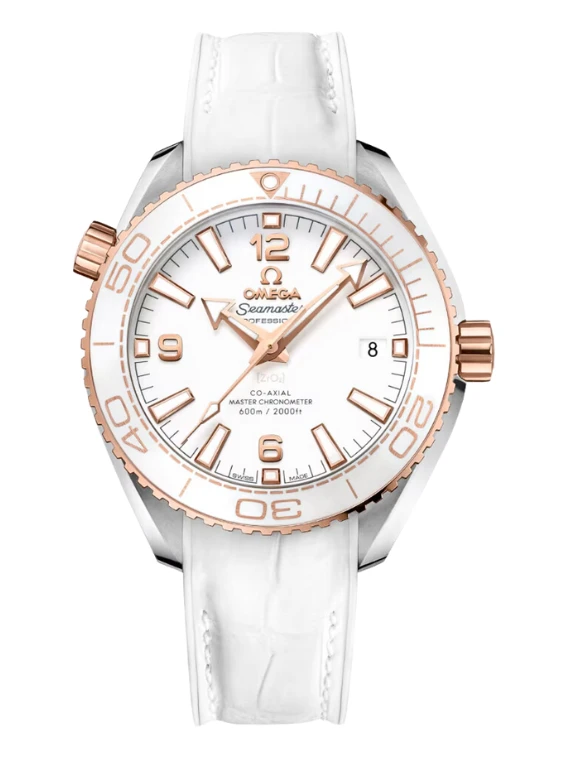
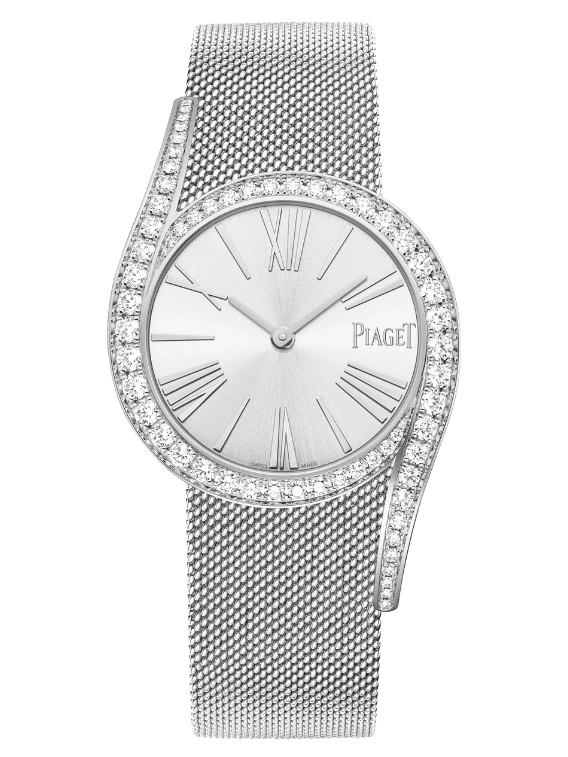
Navigating the world of luxury watches can be an exhilarating journey for the modern woman, offering a blend of style, precision, and statement-making power.
From the prestige of renowned brands like Cartier, Chanel, and Bulgari to the artistry behind each watch’s design and construction, this guide is tailored to ensure every choice you make marries elegance with functionality.
Whether you’re drawn to the refined sophistication of precious metals and sapphire crystals or the innovative allure of ceramic and carbon fiber, understanding the key considerations such as brand reputation, style, materials, and movement type is crucial.
Factors to Consider
The following are some of the main points you should consider as you go shopping for a luxury timepiece:
1. Brand and Reputation
When choosing a ladies’ watch, it’s essential to consider the manufacturer’s brand and reputation. Well-established labels often have a track record of creating quality watches and are more likely to offer excellent customer service and support. Some reputable watch brands for women include Fendi, Cartier, and Chanel.
2. Style and Design
The style and design of a watch should reflect the wearer’s personality and preferences. Consider the creation of the watch face, including the dial, hands, and numbers or markers. Additionally, consider the watch’s strap or bracelet and how it matches the wearer’s skin tone and wardrobe.
3. Materials and Construction
Ensure you pick a watch made from high-quality materials. Some of the main examples of such materials are:
- Precious Metals: Luxury watches frequently feature cases made from precious metals such as gold (yellow, white, or rose), platinum, or sometimes even more exclusive metals like palladium or titanium. These metals offer a luxurious look, excellent durability, and resistance to tarnishing.
- Stainless Steel: Stainless steel is a popular pick for luxury watch cases due to its strength, corrosion resistance, and versatility. High-end stainless steel alloys, such as 904L stainless steel, are often used to enhance durability and offer a premium feel.
- Other Materials: Besides metals, luxury watches may incorporate innovative materials like ceramic, carbon fiber, or high-performance alloys. These materials offer unique aesthetics, lightweight construction, and increased resistance to scratches and wear.
As for their crystals, they should be crafted from several highly-recommended materials:
- Sapphire Crystal: Sapphire is highly scratch-resistant and commonly used for luxury watch crystals. Synthetic sapphire crystals are exceptionally hard and provide exceptional clarity, allowing for a clear view of the dial and hands. Some luxury watches may also feature sapphire crystal case backs, displaying the movement inside.
- Mineral Crystal: Mineral crystals, made from hardened glass, are less scratch-resistant than sapphire but still offer decent durability and clarity. They are often used in more affordable luxury watches or sport-oriented models.
The timepieces should have a solid construction for maximum durability and comfort.
4. Movement Type
There are two main kinds of watch movements: quartz and mechanical. Quartz watches are battery-operated, generally more affordable, and highly accurate. They rely on the piezoelectric properties of quartz crystals. When an electrical current is applied to a quartz crystal, it vibrates at an exact frequency.
These vibrations are changed into electrical impulses, which are then processed by an electronic circuit. The circuit divides the pulses into regular intervals, creating a steady and accurate timekeeping mechanism.
On the other hand, mechanical watches are categorized into two main types of movements: manual-winding (hand-wound) and automatic (self-winding) movements.
- Manual-Winding Movements: With manual-winding watches, you need to manually wind the timepiece by turning the crown regularly. This winding process tightens the mainspring, which stores energy and powers the watch’s movement.
- Automatic Movements: Automatic watches feature a rotor mechanism that automatically harnesses the wearer’s wrist movements to wind the mainspring. The rotor swings back and forth as the wrist moves, transferring energy to the mainspring. This eliminates the need for manual winding, provided the watch is worn regularly.
Mechanical watches are often admired for their intricate mechanisms and the craftsmanship involved in their production. The movements comprise numerous tiny components, including gears, springs, levers, and escapements, all working together to measure time accurately. Fine mechanical watches often exhibit meticulous hand-finishing and decoration, showcasing the watchmaker’s skill and attention to detail.
5. Features and Complications
Different timepieces have various features depending on their design. Some of the most common features are date or calendar functions, dual time zones, or chronographs. As for complications, the main ones are:
- Date Complication: The date complication displays the current date on the watch dial. It can be indicated through a small window (date window) or a sub-dial. Some watches also feature a date function that includes the day of the week.
- Chronograph: A chronograph complication allows the watch to function as a stopwatch. It typically includes sub-dials to measure seconds, minutes, and hours. The chronograph is activated through pushers on the side of the watch case, allowing the wearer to time events or measure elapsed time.
- Moon Phase: Moon phase complications track the lunar cycle, displaying the moon’s current phase. The mechanism consists of a rotating disc with an image of the moon, which progresses as the days pass.
- GMT/World Time: Watches with GMT (Greenwich Mean Time) or world time complications allow the wearer to simultaneously track time in multiple time zones. They typically feature an additional hour hand or a rotating bezel marked with different cities or time zones.
- Perpetual Calendar: Perpetual calendar complications are highly sophisticated and accurately track the date, including leap years, without requiring manual adjustments. They account for the varying lengths of months and even leap years, ensuring the date display remains accurate for many years.
- Tourbillon: The tourbillon complication is a mesmerizing and intricate mechanism that aims to improve the accuracy of mechanical watches. It comprises a rotating cage that holds the escapement and balance wheel, compensating for the effects of gravity on the movement.
- Power Reserve Indicator: Power reserve complications display the amount of remaining energy in the watch’s mainspring. They indicate how long the watch will continue to run before requiring winding or charging.
- Flyback Chronograph: A flyback chronograph is a type of chronograph complication that allows for rapid restarting of the timing function without the need to stop, reset, and start again.
- Minute Repeater: Minute repeater complications are highly complex and strikingly beautiful. They enable the watch to chime the time on demand, typically sounding hours, quarter hours, and minutes.
- Annual Calendar: Similar to a perpetual calendar, an annual calendar complication tracks the date, day, and month. However, it requires manual adjustment once a year at the end of February.
Consider what features are important to the wearer and whether additional complications, like moon phase displays, are desired.
6. Size and Fit
When it comes to watch sizes for ladies, personal preference and style play a significant role. The size of a watch is typically determined by its case diameter, which is measured in millimeters (mm). Here are some general considerations for watch sizes for ladies:
- Small to Medium Sizes: Traditional ladies’ watches often feature smaller case sizes ranging from around 26mm to 34mm. These sizes are considered more delicate and feminine, and they can complement smaller wrists or offer a classic and understated look.
- Large Sizes: In recent years, there has been a growing trend towards larger watch sizes for women. Larger watches, typically ranging from 36mm to 40mm or even larger, offer a bolder and more contemporary style. They can make a statement on the wrist and provide a more substantial presence.
The watch’s size and fit should be comfortable and appropriate for the wearer’s wrist. Pay attention to the watch case’s diameter, thickness, and lug-to-lug measurement, as well as the strap length and adjustment options. A watch should neither be too tight nor too loose.
7. Water Resistance
Water resistance ratings are used to indicate how well a watch or electronic device can withstand exposure to water. The most common water resistance ratings are:
- 3 BAR/3 ATM/30m/100ft: This rating indicates that the watch can withstand water splashes or brief immersion in water, such as washing your hands or getting caught in the rain.
- 5 BAR/5 ATM/50m/165ft: This rating indicates that the watch can be worn while swimming in shallow water but should not be worn while diving or snorkeling.
- 10 BAR/10 ATM/100m/330ft: This rating indicates that the watch can be worn while swimming and snorkeling but should not be worn while diving.
- 20 BAR/ 20 ATM/ 200m/660ft: This rating indicates that the watch can be worn while scuba diving but should not be worn while deep-sea diving.
Any rating above 30 BAR/ 30 ATM/ 300m/990ft means the watch is suitable for all high-impact sports, including deep-sea diving.
Water resistance is essential, especially for those who often come into contact with water or plan to swim with their watch. Ensure the watch has an adequate water resistance rating that matches its functionality.
It’s important to note that water resistance ratings are not permanent and can degrade over time due to wear and tear, exposure to chemicals, and other factors. It’s recommended to have the water resistance of your watch or device checked regularly by a professional.
8. Price and Budget
Luxury watch prices vary widely depending on the brand, model, features, and materials used. Here are some common classes of luxury watch prices:
- Entry-Level Luxury Watches: These watches typically range in price from S$1,000 to S$5,000 and are often the first step into the luxury watch market for many buyers. They may feature basic complications like date displays or chronographs and are usually made from stainless steel or other non-precious metals.
- Mid-Range Luxury Watches: These watches typically range in price from S$5,000 to S$20,000 and often feature more advanced complications like moon phases, perpetual calendars, and tourbillons. They may be made from precious metals like gold or platinum and feature diamonds or other precious stones.
- High-End Luxury Watches: These watches typically range in price from S$20,000 to S$100,000 or more and are often highly sought after by collectors. They may feature complex mechanical movements, intricate designs, and rare materials like meteorite or enamel. They may also be limited edition or one-of-a-kind pieces.
- Ultra-Luxury Watches: These are the most expensive and exclusive watches on the market, with prices ranging from S$100,000 to millions of dollars. They may feature rare and exotic materials like diamonds, pearls, or dinosaur bones. They may also be custom-made to order and feature unique designs and complications.
Watches can range dramatically in price, depending on factors such as brand, materials, and movement type. Set a budget and stick to it, bearing in mind that sometimes it’s worth investing a bit more in a quality timepiece that will last for years.
As for pricing, research their values from trusted sites like WatchCharts and Chrono24 as much as possible before buying.
9. For Love or Investment?
Consider whether the watch is being purchased for personal enjoyment or as an investment. Luxury watches from prestigious brands can appreciate in value over time, while more fashion-forward styles may not.
Here are some helpful tips you can use if you choose to take the investment route:
- Do your research: Before making any investment, it’s crucial to research and gather information about the luxury watch market. Familiarize yourself with renowned watch brands, popular models, limited editions, historical significance, and market trends. Understanding the market will help you make informed decisions and identify watches with potential for appreciation.
- Buy from authorized dealers: To ensure authenticity and maximize the value of your investment, purchase luxury watches from authorized dealers or reputable sources. Avoid purchasing from unauthorized sellers or questionable sources, as counterfeit watches are prevalent in the market.
- Zoom in on limited editions and special models: Limited edition watches or special models tend to have higher demand and potential for increased value over time. Watches with unique features, limited production numbers, or associations with significant events or collaborations can be desirable among collectors.
- Consider its condition and documentation: The condition of the watch plays a crucial role in its value. Look for watches that are well-maintained, with minimal signs of wear and tear. Additionally, having the original box, papers, and documentation, including warranty cards and certificates of authenticity, adds value and helps establish the watch’s provenance.
- Seek professional advice: If you’re new to luxury watch investments or unsure about the market, consider consulting with professionals, such as watch dealers, appraisers, or collectors. Their expertise can provide valuable insights and guidance to help you make informed investment decisions.
10. Authenticity and Purchasing Source
Finally, ensure that the timepiece is authentic and research the best source for purchasing. Trustworthy retailers and authorized dealers can provide original pieces with accompanying warranties, whereas unreliable sellers might sell counterfeit items. Be cautious when shopping online and read reviews and testimonials from previous customers.
Top 8 Watches for Women According to Her Style
Here are some of the most common women’s watch styles plus several ideal models that fit into them:
FAQs
1. Which way should a woman wear a watch?
Traditionally, a watch is worn on the wrist opposite to the dominant hand. For most right-handed women, this means wearing the watch on the left wrist.
2. Is it OK to wear a ladies watch?
Absolutely! Wearing a watch, regardless of gender norms, is perfectly acceptable. Watches are functional accessories that also express personal style.
3. How many watches should a woman own?
The number of watches a woman should own depends on her lifestyle, fashion sense, and the occasions she dresses for.
There is no set number, but having a small collection of versatile watches can be practical:
- A daily wear watch: A durable, functional watch for everyday use.
- A dress watch: A more elegant, possibly minimalist watch for formal occasions.
- A sports watch: If you’re active or into fitness, a watch with relevant features like water resistance or a stopwatch can be useful.
- A statement piece: For those times when you want your accessory to be a conversation starter.
Final Word
Finding the right luxury lady watch is no longer a headache. Just use the info you’ve learned above, be persistent, and most importantly, believe in yourself for quicker and better results.
Key Takeaways
- Luxury ladies’ timepieces are characterized by high-quality materials like precious metals, stainless steel and special materials like carbon fiber. Their dials are also protected by sapphire or mineral crystals.
- The most important factors to consider when buying a luxury ladies’ watch are your budget, its brand and reputation, and its materials and construction.
- Owning and wearing a ladies’ watch is acceptable and even encouraged, as it adds a touch of sophistication and elegance to a woman’s outfit.
Looking to buy or sell your luxury watches? Watchbook is your one-stop destination for trading Rolex, Patek Philippe, Tissot, Sinn, Zenith, and other luxury timepieces. Find your next watch today!