Vintage watches hold a timeless appeal, blending artistry, history, and craftsmanship. Whether you’re a seasoned collector or new to the world of horology, understanding the stories behind these timepieces enhances their allure.
1. Rolex
Founded in 1905 by Hans Wilsdorf and Alfred Davis in London, Rolex is synonymous with luxury, precision, and innovation. Wilsdorf envisioned wristwatches that were elegant and highly reliable. In 1910, the brand became the first watch to receive the Swiss Certificate of Chronometric Precision. Its blend of durability, precision, and prestige has made it one of the most recognizable watch brands worldwide.
Popular Watches:
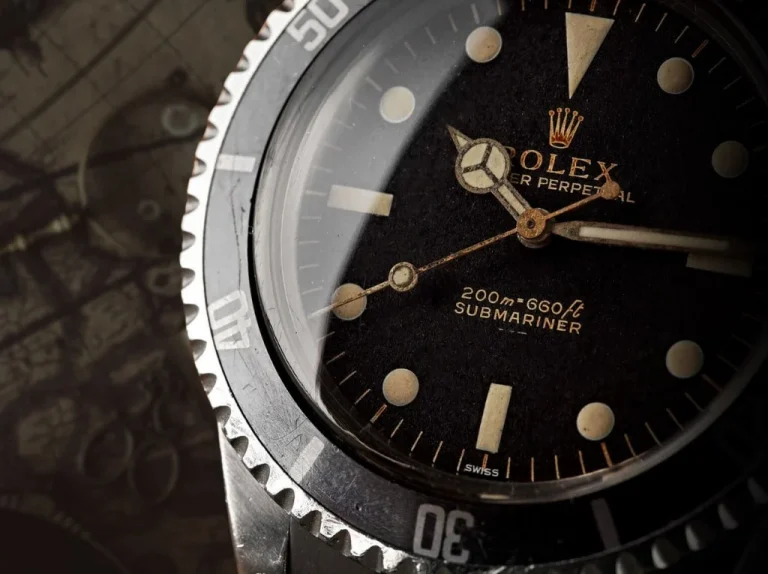
Rolex Submariner (1953): One of the most iconic dive watches ever created, it revolutionized underwater timekeeping with 100m water resistance and a rotating bezel, allowing divers to measure time underwater.
Rolex Datejust (1945): The first wristwatch with an automatically changing date display at the 3 o’clock position, it set the standard for modern watches. The Datejust became a staple of elegant wristwatches with its signature fluted bezel and Jubilee bracelet.
Rolex GMT-Master (1954): Created for Pan Am pilots navigating across different time zones, the GMT-Master displayed two time zones simultaneously, with a 24-hour hand and a rotating bezel, defining travel watches for decades.
2. Omega
Omega was founded in 1848 by Louis Brandt in La Chaux-de-Fonds, Switzerland. It rose to prominence for its precision and innovation in timekeeping. In 1894, the brand introduced the revolutionary Omega 19-line caliber, which solidified its reputation for mass production of high-quality movements.
The brand became the official timekeeper for the Olympic Games in 1932, establishing its legacy in sports timing. Its significance in both space exploration and precision timekeeping solidified its reputation as a brand that marries technical innovation with refined design.
Popular Watches:
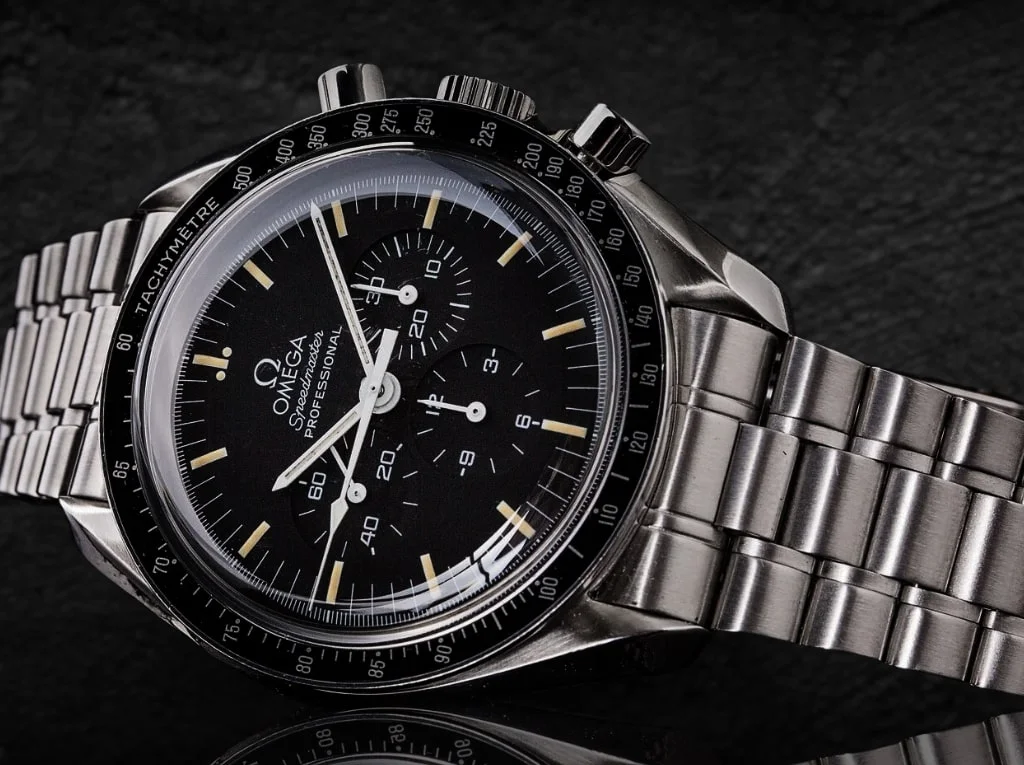
Speedmaster’s Role in Space Exploration: The Omega Speedmaster, introduced in 1957, was the first watch worn on the moon in 1969 during NASA’s Apollo 11 mission. It was chosen for space missions after rigorous testing due to its durability, precision, and ability to withstand extreme conditions, earning it the title “Moonwatch.”
Omega Seamaster (1948): Introduced as a water-resistant watch for active professionals, it became the flagship dive watch for Omega, with its continued evolution being part of the James Bond series.
Constellation (1952): Known for its chronometric precision, the Constellation was Omega’s flagship luxury dress watch, featuring observatory medallions on the case back as a symbol of its chronometer status.
3. Jaeger-LeCoultre
Founded in 1833 by Antoine LeCoultre in Le Sentier, Switzerland, Jaeger-LeCoultre has a reputation for precision and innovation, particularly in movement manufacturing. Known as the “watchmaker’s watchmaker,” it has developed over 1,200 in-house calibers, supplying movements to prestigious brands like Patek Philippe and Vacheron Constantin.
Popular Model:
Created in 1931, the Reverso was designed for British polo players in India who needed a watch that could withstand the rough nature of the game. The case could be flipped to protect the watch’s face, making it an innovative solution and an iconic design. The Art Deco styling and elegant rectangular shape made it a timeless classic, both functional and fashionable.
Known as the “watchmaker’s watchmaker,” Jaeger-LeCoultre has supplied movements to top brands like Patek Philippe and Audemars Piguet. The Memovox (1950), one of its most notable models, featured an alarm function, a technological marvel of its time.
4. Vacheron Constantin
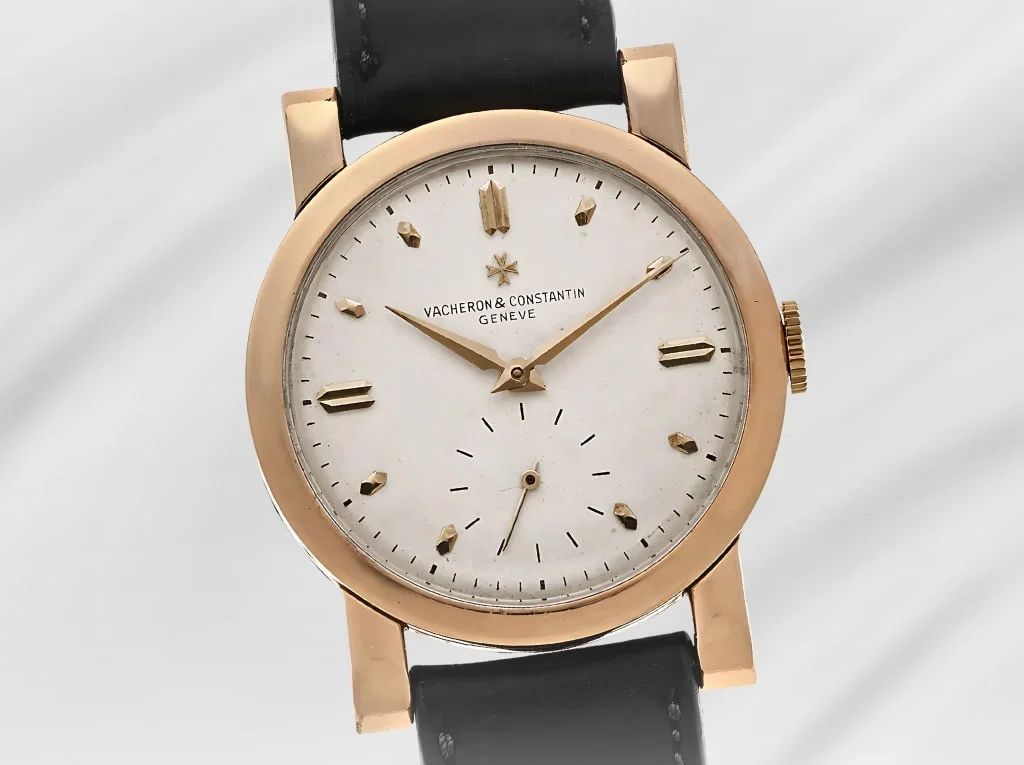
Established in 1755 by Jean-Marc Vacheron in Geneva, Vacheron Constantin is one of the oldest continuously operating watchmakers in the world. Known for its intricate complications and luxurious craftsmanship, it has created some of the most technically sophisticated timepieces.
Throughout its history, the brand has been favored by royalty and aristocrats, earning a reputation for elegance and precision. Its motto, “Do better if possible, and that is always possible,” reflects its commitment to craftsmanship and innovation.
Popular Watches:
Patrimony (2004): Known for its minimalist design and timeless elegance, it exemplifies Vacheron’s dedication to understated luxury.
Overseas (1996): A more contemporary model, it offers a robust sports watch option that balances elegance with functionality, featuring an integrated bracelet and water resistance, making it one of the most sought-after luxury sports watches today.
5. IWC
Founded in 1868 by Florentine Ariosto Jones, an American watchmaker, IWC was established in Schaffhausen, Switzerland. Jones aimed to combine Swiss craftsmanship with American engineering to produce high-quality watches.
The brand gained prominence during WWII by producing large, highly legible pilot watches for military aviators. The watches were designed for precision and reliability under extreme conditions, which continues to define IWC’s ethos today.
Popular Watches:
Caliber 89 (1946): A post-war innovation known for its durability and precision, it became a cornerstone for IWC’s watchmaking philosophy.
Big Pilot’s Watch (1940): Originally designed for the Luftwaffe, the oversized case, clean dial, and legibility made it an icon of military watches. The modern versions remain highly popular for their strong design cues and heritage
6. Longines
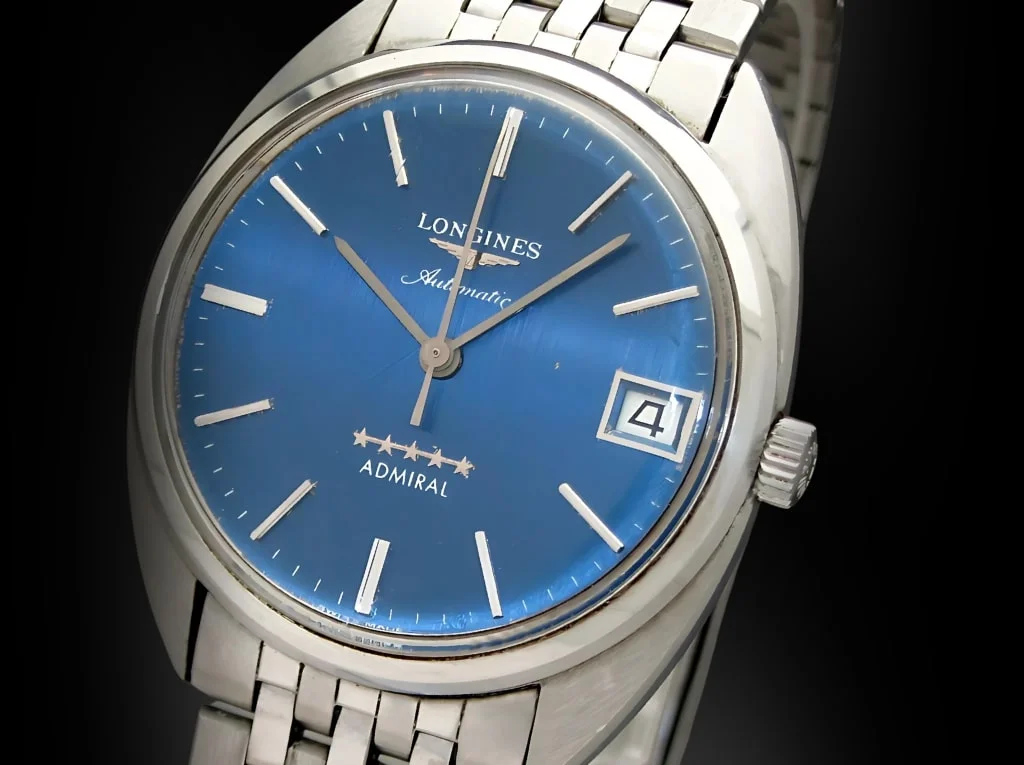
Founded in 1832 by Auguste Agassiz in Saint-Imier, Switzerland, Longines has a long-standing reputation for precision and innovation. The brand is known for its contributions to aviation and sports timing, becoming the official timekeeper for the Olympic Games and various other sporting events.
Popular Watches:
Lindbergh Hour Angle (1931): Designed with the input of Charles Lindbergh following his transatlantic flight, the Hour Angle helped pilots calculate longitude during flights, cementing Longines’ place in aviation history.
Longines Weems (1929): Another aviation-inspired model, named after Captain Philip Van Horn Weems, which aided navigation before GPS technology.
7. Tudor
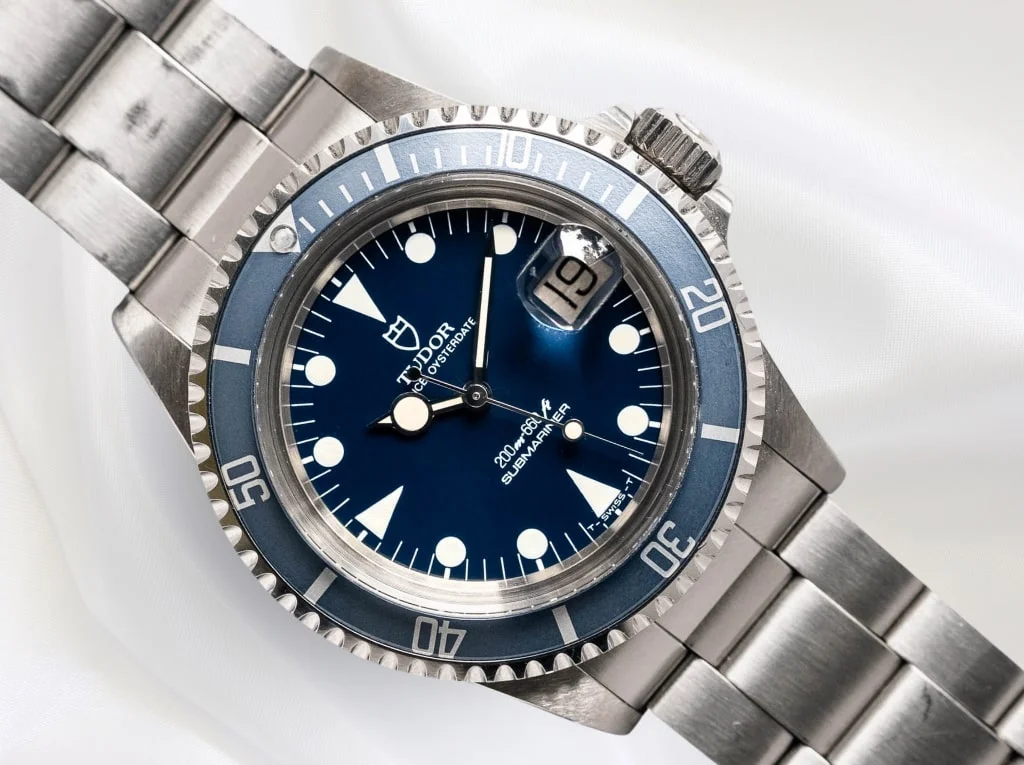
Tudor was founded in 1926 by Rolex founder Hans Wilsdorf with the goal of offering the reliability and craftsmanship of Rolex watches at a more affordable price. Tudor watches shared many design elements with Rolex, such as the Oyster case and screw-down crown, but used more cost-effective movements sourced from other Swiss manufacturers.
Popular Model:
It’s often considered Rolex’s more affordable sibling, carving out its niche with models like the Black Bay, which go for between S$2,000 and S$13,000, on the vintage market depending on the model.
Key Features to Look for in Vintage Watches
The following are some of the main ones:
1. Complications and Movements
Complications refer to any function on a watch beyond the simple display of hours, minutes, and seconds. Vintage watches with additional complications tend to be more valuable due to their technical complexity and craftsmanship. Here are some important complications to look for:
Chronographs: A chronograph is a stopwatch function that allows the user to measure elapsed time. Vintage chronograph watches are highly sought after because of their mechanical intricacy. Examples include the Omega Speedmaster and Rolex Daytona.
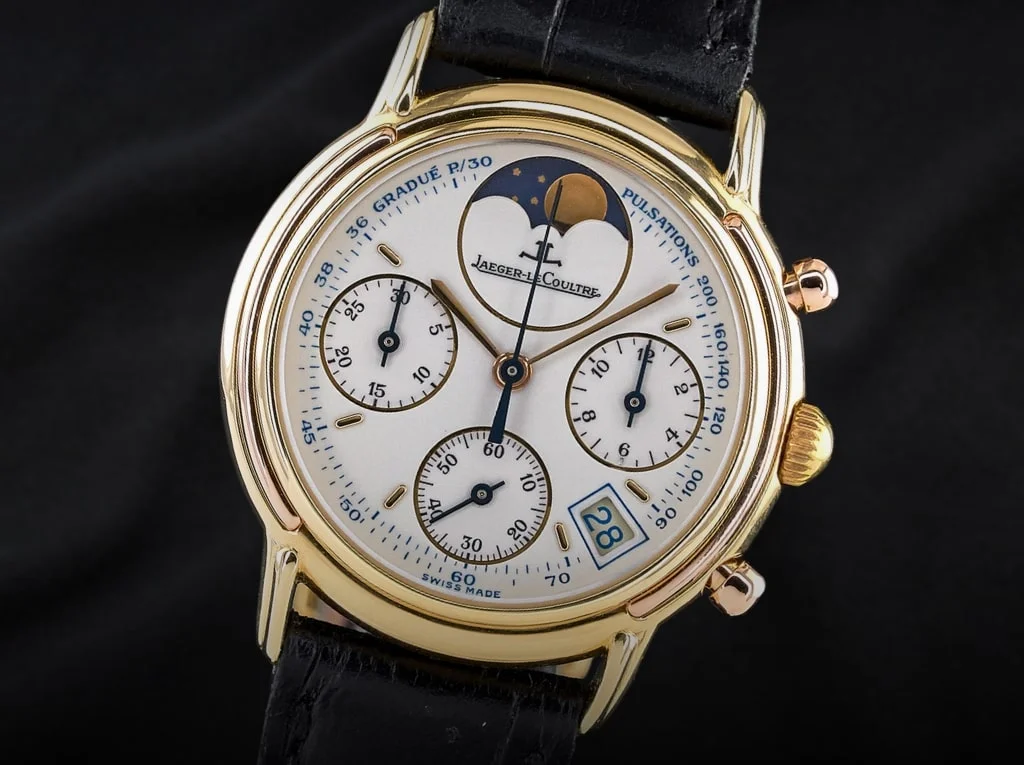
Moon Phases: This complication shows the current phase of the moon, and it is typically displayed on a subdial. Vintage moon phase watches are not as common, making them highly collectible. Watches like the Jaeger-LeCoultre Master Moon are revered for this complication.
Date Pointers: Instead of a date window, some vintage watches use a pointer date complication, where a hand points to the date on the outer rim of the dial. This feature can add elegance and is a favorite among collectors of classic watches, like those from Vacheron Constantin and Longines.
Iconic Movements: The movement, or caliber, is the engine of the watch, and certain movements have become legendary for their precision, reliability, and craftsmanship. These movements can significantly affect the value of a vintage watch.
IWC Caliber 89: Introduced in the 1940s, this manual-winding movement is known for its durability and accuracy. It was used in many IWC watches for decades and remains a favorite among collectors.
Jaeger-LeCoultre Memovox: The Memovox is famous for its alarm function, a rare complication in vintage watches. Its Caliber 815 movement, introduced in 1956, was one of the first self-winding alarm movements.
Rolex Caliber 1570: This automatic movement was used in many iconic models, including the Rolex Submariner and GMT-Master, known for its robustness and longevity.
Having a vintage watch with an iconic movement or complication increases its historical and technical significance, making it more desirable for collectors.
2. Case Material and Design
The material and design of a vintage watch case contribute greatly to its aesthetic and value. Different materials and shapes were popular in different eras, and certain styles have become timeless.
Popular Case Materials:
Stainless Steel: Stainless steel is one of the most durable and popular materials used in vintage watches. It’s particularly prized for tool watches like the Rolex Submariner and Omega Seamaster because it can withstand rugged conditions while maintaining a sleek look. Collectors often favor stainless steel for its versatility and robustness.
Gold: Vintage watches in 18k gold or 14k gold are often considered more luxurious and collectible. Gold watches from brands like Patek Philippe and Vacheron Constantin have maintained their value over time. The Jaeger-LeCoultre Reverso often comes in gold, adding a level of refinement to its art deco design.
Gold-Plated: Many vintage watches were made with gold-plated cases, particularly during the mid-20th century. These watches are less valuable than solid gold models but can still be appealing to collectors for their design and history.
Iconic Case Shapes and Sizes:
Rectangular Cases: The Jaeger-LeCoultre Reverso, with its rectangular shape, is one of the most iconic watches ever made.
Round Cases: Round cases are by far the most common, especially for vintage watches like the Rolex Submariner or Omega Speedmaster. The simplicity of the round shape has timeless appeal, and in sizes ranging from 34mm to 40mm, these watches remain versatile for any wrist size.
Cushion-Shaped Cases: These are soft, square-shaped cases with rounded edges, popular in many vintage dive watches and sports watches. Examples include Panerai Luminor and certain Tudor Submariner models.
Collectors often look for watches with well-preserved cases, especially those with original factory finishes, as over-polishing can diminish the value and aesthetics of the watch.
3. Dial Features
The dial is the face of the watch, and in vintage watches, certain dial features can greatly enhance a timepiece’s appeal and value. The condition of the dial is often the most critical factor for collectors, especially if it’s in original, untouched condition.
Common Dial Features:
Patina: Many vintage watches develop a patina over time, where the color of the dial changes due to exposure to light, humidity, and aging. This can result in unique shades of brown, cream, or other colors, adding character to the watch. Collectors often value watches with well-aged patina because it makes each piece unique.
Guilloché: Some vintage watches feature guilloché dials, which are intricately engraved patterns on the dial. This decorative technique adds texture and depth, typically found in luxury brands like Vacheron Constantin and Breguet.
Luminous Markers: Watches from the mid-20th century often used radium or tritium to create luminous markers that would glow in the dark. Over time, these materials age and may develop a distinctive yellow or green hue, which is highly prized by collectors. Original, intact lume plots can significantly boost a vintage watch’s value.
The Importance of Original Dial Condition:
One of the most crucial aspects collectors consider is the original condition of the dial. A refinished or replaced dial can reduce the value of a vintage watch substantially. Collectors prefer a watch with a dial that shows signs of aging (such as patina or slight fading) over one that has been restored to look new, as it preserves the watch’s authenticity and history.
Dial configurations and design elements, such as “gilt” dials (a black dial with gold-colored print) in Rolex Submariners or the presence of rail dials in vintage Omega Speedmasters, can make a significant difference in the value and collectibility of a vintage watch.
Caring for Your Vintage Watch
Proper care is essential to ensure the longevity and beauty of your vintage watch. Here are five expanded tips to keep your timepiece in optimal condition:
Regular Servicing: Schedule professional servicing every 3-5 years. This involves disassembling the movement, lubricating critical components, and recalibrating the watch for accurate timekeeping. Regular maintenance prevents wear on delicate parts and ensures the watch continues to function smoothly for years to come.
Use a Watch Winder: For vintage automatic watches, a watch winder is a helpful tool. It keeps the movement running when the watch is not being worn, preventing oils inside the mechanism from settling and hardening. This helps maintain accuracy and reduces the need for frequent winding or resetting.
Dehumidifiers: Vintage watches are susceptible to moisture damage, which can lead to rust or deterioration of internal components. Using a dehumidifier in storage areas helps keep the environment dry, preventing rust and corrosion that can compromise the watch’s functionality and appearance.
Store in a Watch Box: Always store your vintage watch in a padded box to protect it from dust, scratches, and accidental damage. A quality watch box also keeps the watch safe from external shocks and ensures it remains in a pristine condition when not being worn.
Avoid Direct Sunlight: Prolonged exposure to direct sunlight can fade the dial, affect the color of the strap, and degrade the material of vintage watches. To preserve the original condition of your timepiece, store it in a cool, dry place away from sunlight, ensuring that it stays vibrant and well-maintained over time.
Conclusion
Vintage watches combine history, craftsmanship, and style. Each piece tells a story, reflecting the era in which it was made. Start a collection today. Collecting them offers the joy of owning and preserving a piece of horological history. Additionally, as a collector, you’ll value their unique traits and timeless designs.
Key Takeaways
Vintage watches from brands like Rolex, Omega, and Jaeger-LeCoultre have shaped horology with timeless designs and cutting-edge innovations.
Vintage watches often appreciate in value due to their rarity, condition, and historical significance, making them a sound investment.
The intricate craftsmanship and attention to detail found in vintage watches set them apart from modern mass-produced models, offering collectors unique artistry and history.
Looking to buy or sell your luxury watches? Watchbook is your one-stop destination for trading Rolex, Patek Philippe, Tissot, Sinn, Zenith, and other luxury timepieces. Find your next watch today!