Scan the QR Code on Your Phone To Download the App



Scan the QR Code on Your Phone To Download the App
Scan the QR Code on Your Phone To Download the App


Panerai, known for its bold Italian design and Swiss engineering, is considered a high-end brand with a strong identity. While it doesn’t match Rolex in resale value, it generally holds its worth well over time. Though often associated with Rolex, Panerai is now entirely independent.
Compared to Omega, Panerai offers a more distinctive, minimalist aesthetic, while Omega focuses on precision and innovation. Keep reading this Rolex vs Panerai review to learn how these iconic brands stack up against each other.
Rolex and Panerai stand as two of the most prestigious brands in the world of luxury watches, each with a distinct heritage, design philosophy, and following.
Rolex, renowned for its timeless design, precision engineering, and brand prestige, has long been a symbol of success and reliability. On the other hand, Panerai is celebrated for its bold, military-inspired aesthetic, Italian roots, and limited production appeal.
This article aims to provide a clear comparison between Rolex and Panerai across key aspects such as history, design, craftsmanship, brand image, and value retention. Whether you’re a first-time buyer deciding between the two or a watch enthusiast seeking deeper insight, this guide will help you better understand what sets each brand apart—and which one might better fit your wrist and lifestyle.
Founding and Origins
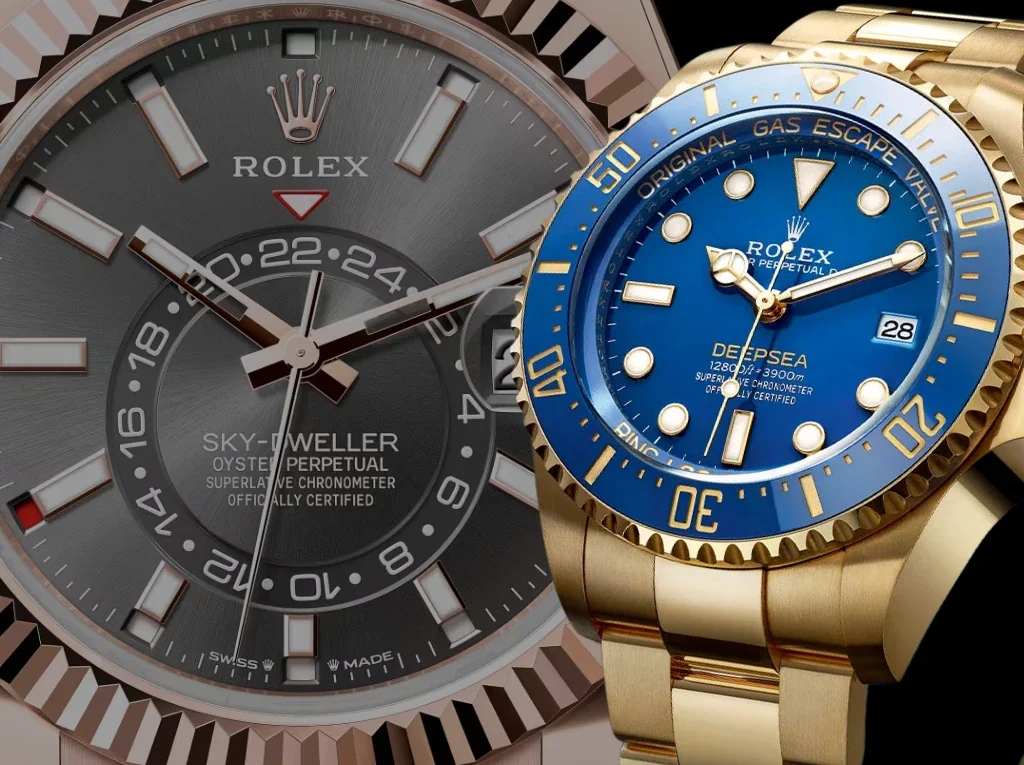
Rolex was founded in 1905 by Hans Wilsdorf and his brother-in-law Alfred Davis in London, originally under the name Wilsdorf & Davis. The company moved its operations to Geneva, Switzerland, in 1919, cementing its Swiss identity — a hallmark of watchmaking excellence.
Innovations and Milestones
Rolex has long been recognized as a pioneer in horology, responsible for numerous groundbreaking advancements:
Rolex watches became symbols of achievement and adventure, worn by explorers on Everest, deep-sea divers, and test pilots.
Brand Heritage and Identity
Rolex’s identity is tightly intertwined with precision, innovation, and luxury performance. The brand’s heritage of firsts has positioned it as a benchmark in the industry. Rolex’s success is also rooted in a strong sense of consistency — designs evolve subtly over time, reinforcing its legacy.
Rolex’s heritage is part of its allure: owning a Rolex is often perceived as a rite of passage or symbol of personal success. Its long-standing reputation for quality and timeless design ensures it remains one of the most respected names in watchmaking.
Founding and Origins
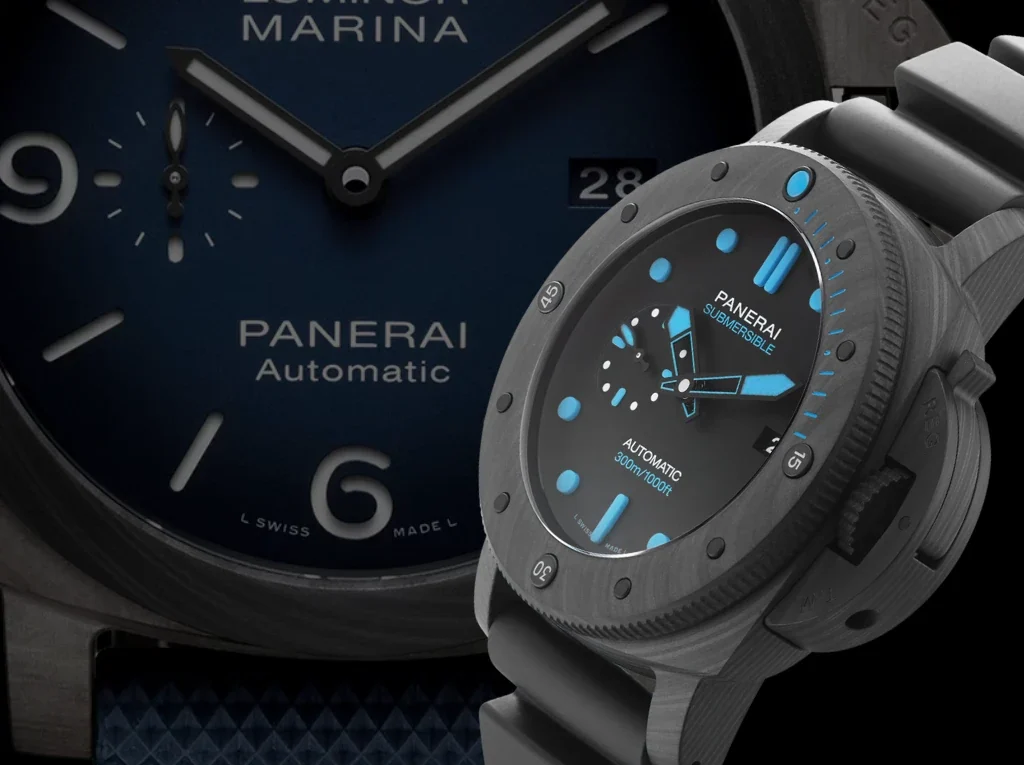
Panerai was established in 1860 by Giovanni Panerai in Florence, Italy, as a watchmaker’s shop, workshop, and school. Initially focused on supplying precision instruments, it later became closely linked with the military, especially the Italian Royal Navy (Regia Marina).
Military Significance and Swiss Movements
In the 1930s and 1940s, Panerai specialized in creating watches for the Italian Navy, including dive watches and depth gauges. Its most iconic models include:
Though Italian in origin, Panerai began incorporating Swiss mechanical movements, blending Italian design flair with Swiss horological excellence.
Brand Heritage and Identity
Panerai’s brand identity is deeply rooted in its military heritage, tool-watch aesthetics, and Italian craftsmanship. The oversized cushion-shaped case, minimalist dials, and luminous numerals are hallmarks of its design DNA.
Its storied past with the Italian Navy gives it a sense of purpose-driven legacy, resonating with enthusiasts who appreciate historical significance and rugged authenticity. Since joining the Richemont Group in 1997, it has maintained its heritage while enhancing technical sophistication and broadening its appeal.
Each watch has its distinctive aesthetics:
Rolex watches embody classic and timeless design. They’re known for subtle evolution over radical change, prioritizing reliability and universal appeal.
Key Design Characteristics
Officine Panerai is all about bold, military-inspired design with strong wrist presence and a distinctive character. Originally a naval instrument, it retains a rugged aesthetic.
Key Design Characteristics
Rolex luxury watch brand offers excellent versatility — a Submariner waterproof watch can accompany a suit or a wetsuit. Datejusts and Oyster Perpetuals bridge lifestyle and luxury seamlessly.
Meanwhile, Panerai offers primarily statement watches. Due to their size and boldness, they dominate the wrist and lean casual/sporty. They’re best worn with confidence and room on the wrist.
The Panerai vs Rolex table below shows three models from each brand plus their key features and retail, private market, and pre-owned prices:
|
Model |
Key Features |
Retail Price |
Private Market Price |
Pre-Owned Price |
|---|---|---|---|---|
|
S$15,800 |
S$21,040 |
S$23,500 |
|
|
S$95,800 |
S$81,835 |
S$83,500 |
|
|
S$19,399 |
S$20,500 |
S$21,000 |
|
|
S$11,535 |
S$9,500 |
S$10,113 |
|
|
S$16,122 |
S$14,257 |
S$15,150 |
|
|
S$13,763 |
S$12,111 |
S$12,850 |
Rolex
Rolex has long been synonymous with in-house manufacturing. It is known for its vertical integration, producing nearly every component of its watches in-house—including movements, cases, dials, and even proprietary alloys.
Since the mid-20th century, Rolex has developed its own automatic movements, such as the famous Caliber 3135 and, more recently, the Caliber 3235 and Caliber 4131, focusing on precision, reliability, and ease of servicing.
Most Rolex movements are COSC-certified chronometers, but Rolex goes a step further with its own Superlative Chronometer standard, which guarantees -2/+2 seconds per day accuracy—stricter than COSC requirements.
Panerai
Panerai started as a military supplier and for decades relied on movements from other companies, especially ETA and Valjoux, before moving into in-house production in the 2000s. Earlier Luminor and Radiomir models used robust and proven ETA-based movements.
From 2005 onwards, Panerai developed its own calibers (e.g., P.9000, P.3000, P.9010) to meet luxury market expectations and create more distinctive horology. These in-house movements focus on long power reserves (often 3 to 10 days), clean architecture, and legibility, reflecting Panerai’s tool-watch DNA.
Rolex
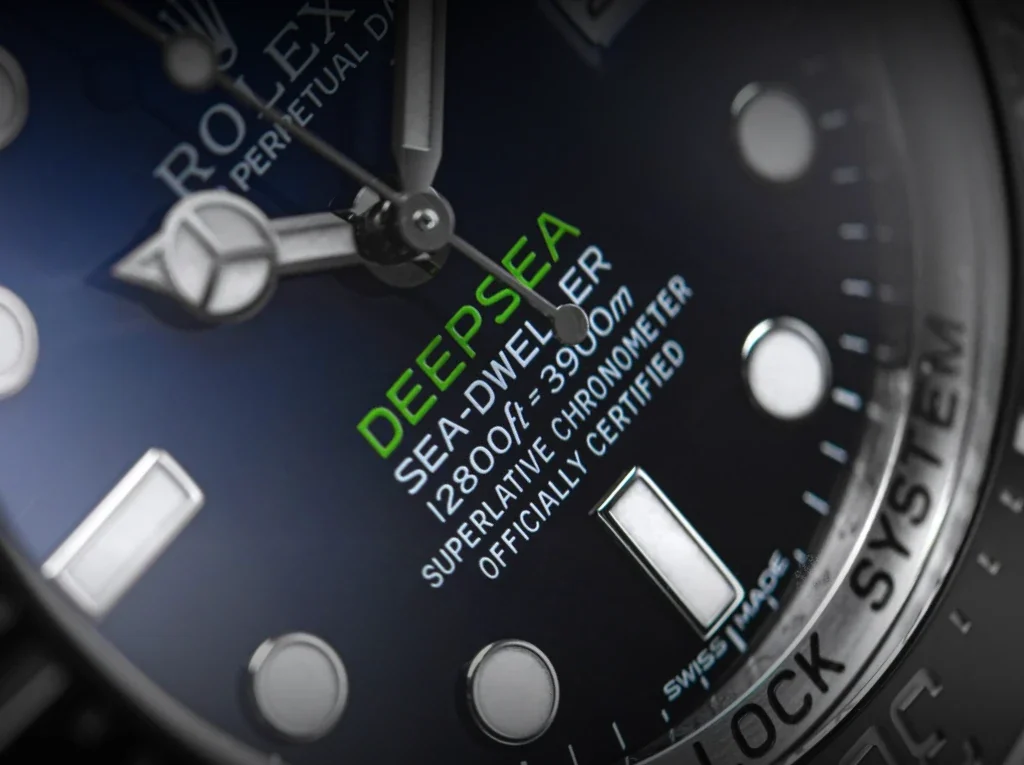
Rolex pioneered waterproofness with the Oyster case in 1926 and set standards with models like the Submariner (up to 300m) and Sea-Dweller/Deepsea (1,220m to 3,900m depth ratings).
The Oyster case, Triplock crown system, and Cerachrom bezels contribute to ruggedness. Rolex watches are built for longevity under extreme conditions—from deep-sea diving to Himalayan expeditions.
Rolex movements are regulated to tight tolerances and feature Parachrom hairsprings (anti-magnetic), Chronergy escapements (efficient power use), and shock protection systems.
Panerai
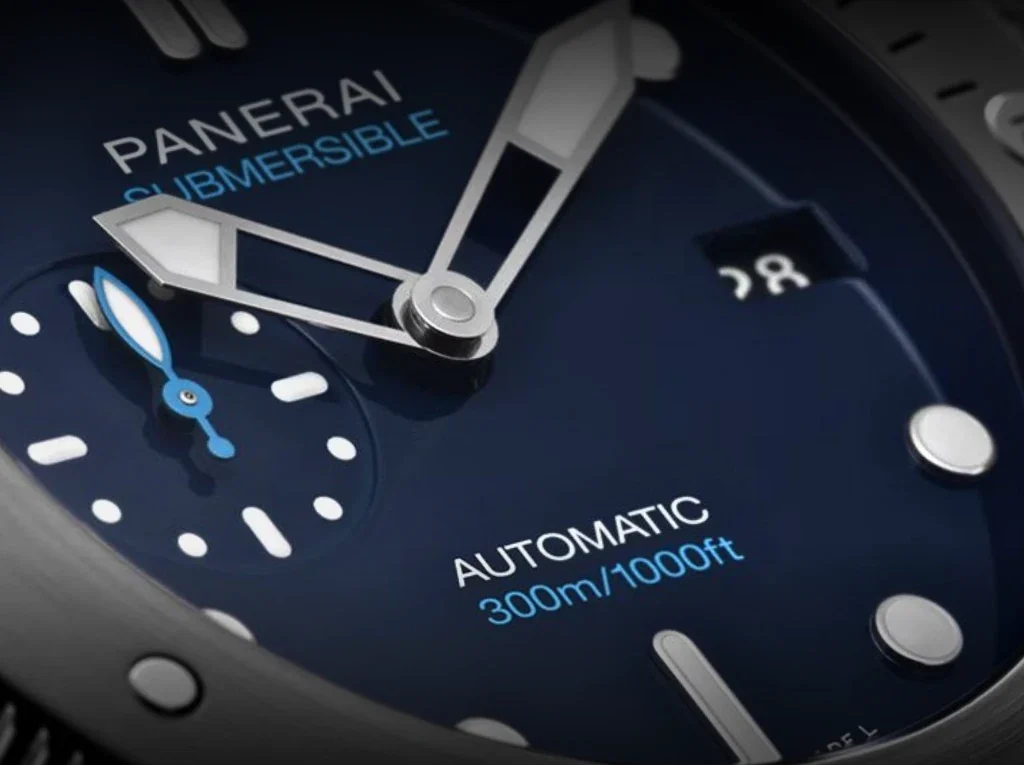
Rooted in military diving history, Panerai watches often feature excellent water resistance—Luminor models are commonly rated at 300m, while Submersible models reach 1000m or more.
Large cushion-shaped cases, crown protection devices, and solid casebacks help reinforce their rugged appeal. Panerai’s oversized build is part of its practical heritage, designed to withstand real-world stress.
While traditionally not COSC-certified, many in-house Panerai movements deliver excellent consistency. Their focus leans toward reliability and longevity, especially with minimalistic calibers emphasizing extended power reserves and low-maintenance designs.
Rolex
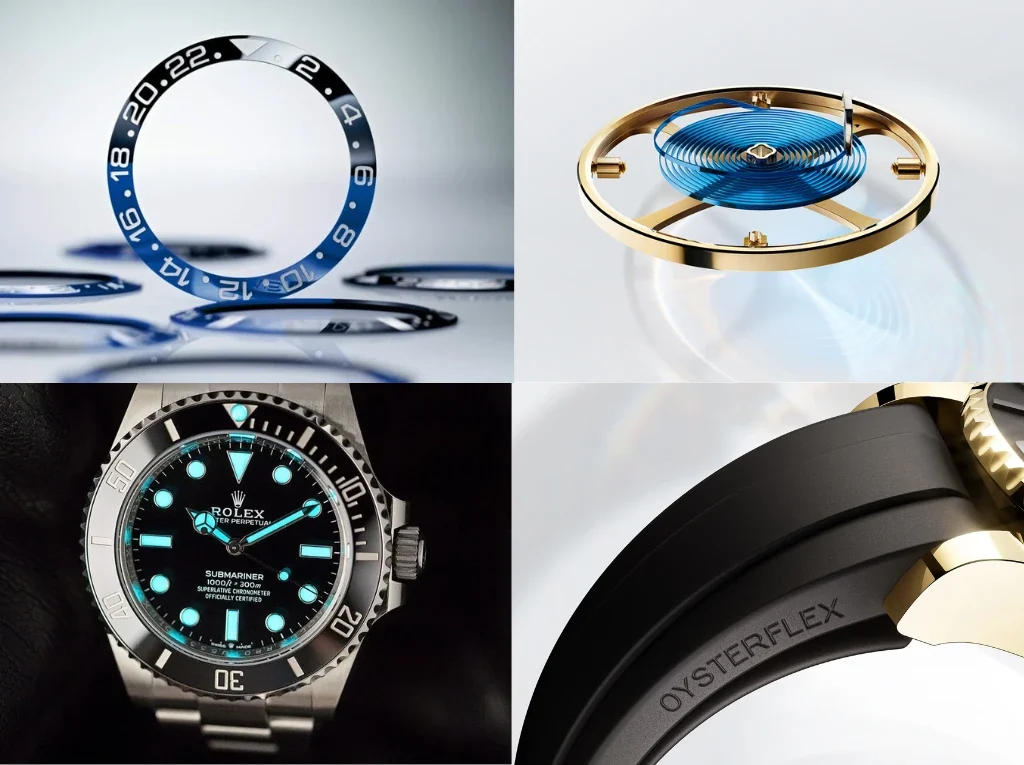
Rolex stands out for redefining chronometer testing with its Superlative Chronometer Certification. After COSC certification, it tests the cased movement under real-world conditions to guarantee better precision and power reserve.
Its most impressive technological innovations are:
Panerai
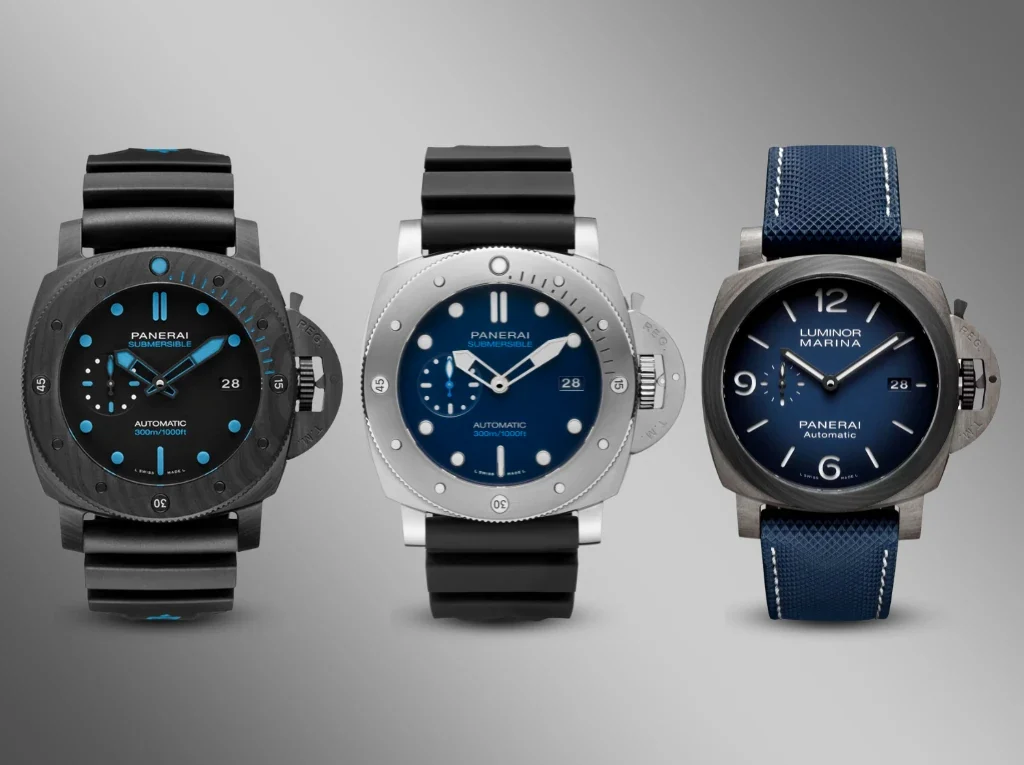
Panerai leads in creative case materials that enhance both durability and aesthetics, such as:
The Luminor crown-locking bridge is a hallmark feature—instantly recognizable and functionally superior for maintaining water resistance.
Owning a Rolex is widely perceived as a symbol of success, financial security, and timeless style. It often acts as a social signal—recognized even by those who aren’t into watches. It carries strong associations with achievement and legacy, often bought to celebrate personal milestones. In some circles, Rolex can also be viewed as a status flex, which may be polarizing depending on the crowd.
Meanwhile, Panerai is perceived as a more niche, enthusiast-oriented brand. It signals taste and a certain level of horological awareness—less about mass recognition and more about style, uniqueness, and an appreciation for craftsmanship. It also has a strong masculine energy due to its bold design language, often associated with a rugged or military aesthetic. It’s a respected name among watch aficionados, but less understood or recognized in mainstream circles.
Rolex has the highest recognition factor in the luxury watch world. The crown logo, the name, and even specific models like the Submariner or Daytona are iconic, instantly identifiable, and often aspirational. Prestige-wise, it’s at the top of the mainstream luxury ladder—not necessarily the most exclusive, but arguably the most respected brand globally for seasoned collectors and casual consumers.
On the other hand, Panerai doesn’t have the universal recognition of Rolex. It’s often mistaken for other brands or simply not noticed outside watch communities. However, it’s held in high regard within enthusiast groups—especially for its historical connection to the Royal Italian Navy and its signature cushion-shaped cases. Prestige is more “understated cool” than overtly luxurious, and Panerai wearers often pride themselves on not going the obvious Rolex route.
Rolex has long been embedded in pop culture. From movie characters like James Bond (in earlier films) to mentions in rap lyrics and red-carpet appearances, it maintains a steady presence. Celebrities, athletes, and public figures across eras have worn Rolex—some formally endorsed, others just fans. The brand does minimal overt advertising with stars, relying instead on its legacy to keep it in the spotlight.
Panerai has seen its share of celebrity wearers, with figures like Sylvester Stallone and Arnold Schwarzenegger popularizing the brand in the 1990s. These associations gave Panerai a cult following, particularly in Hollywood. However, it doesn’t appear in pop culture as pervasively as Rolex. The endorsements feel more personal and less mass-marketed, which appeals to fans who prefer less commercialized luxury.
According to WatchCharts, Rolex watches cost around S$16,000 on average, though prices range from around S$2,000 to S$281,000, depending on the model. Meanwhile, Panerai watches cost around S$7,000 on average, though prices range from around S$4,000 to S$105,000, depending on the model.
Rolex is the king of resale in the luxury watch market. Many steel sport models (Submariner, Daytona, GMT-Master II) retain or appreciate in value over time. Its watches’ limited availability and high demand lead to premiums on the secondary market. Even discontinued or vintage models often increase in value. Models with unique dials or production quirks can become collector grails.
Panerai has a weaker resale value compared to Rolex. Most models depreciate 20–40% after they leave the authorized dealer’s watch shop. Limited edition models sometimes hold or slightly increase in value, but demand fluctuates. The Paneristi community (brand enthusiasts) helps sustain niche interest, but broader market demand is more modest.
Rolex is considered one of the best brands for investment. Some models (like the stainless steel Daytona) have outperformed traditional assets. Watches like the Rolex Submariner are sometimes described as “wearable savings accounts.”
On the other hand, Panerai isn’t a strong financial investment. Resale losses are common unless you buy smart on the secondary market. The pre-owned market can offer great value for buyers—but not so much for sellers.
Rolex is great for both. It offers strong value retention plus brand prestige. Panerai is more for passion. It provides a strong stylistic identity and cult following.
Rolex
Panerai
Rolex works well with suits, business casual, or even a polo and jeans. Whether you’re in a boardroom or on vacation, it fits in seamlessly. It also appeals to those who want to project success without being flashy. It’s aspirational but still conservative enough for traditional environments.
Panerai watches are conversation starters. They’re perfect for people who want to stand out and appreciate design with history and depth. They’re best suited for casual wear, outdoor activities, or sporty urban style. While they can be dressed up, they lean more toward utility-chic than boardroom polish.
Rolex watches generally range from 36mm to 41mm, with a few models above or below. This makes them comfortable for a wide range of wrist sizes, particularly small to medium wrists.They’re ideal for those with a classic, polished, or minimalist aesthetic. They’re about timeless design rather than bold statement pieces.
Panerai offers larger watches typically ranging from 42mm to 47mm, making them more comfortable for medium to large wrists. Smaller wrists may find them overwhelming. They’re great for those who prefer bold accessories, military-inspired or rugged fashion and aren’t afraid of a larger wrist presence.
Rolex and Panerai offer exceptional craftsmanship but each brand suits different tastes. Rolex excels in prestige, precision, and versatility, while Panerai stands out with bold design and rich heritage. Choosing between them depends on personal style, functionality, and brand preference—both symbolize excellence in luxury watchmaking, each with its loyal following.
Key Takeaways:
Looking to buy or sell your luxury watches? Watchbook Singapore is your one-stop destination for trading Rolex, Patek Philippe, Tissot, Sinn, Zenith, and other luxury timepieces. Find your next watch today!